Casa Nancarrow-O'Gorman
Los Alpes, Mexico City
4 bedrooms
3 bathrooms
585 m2
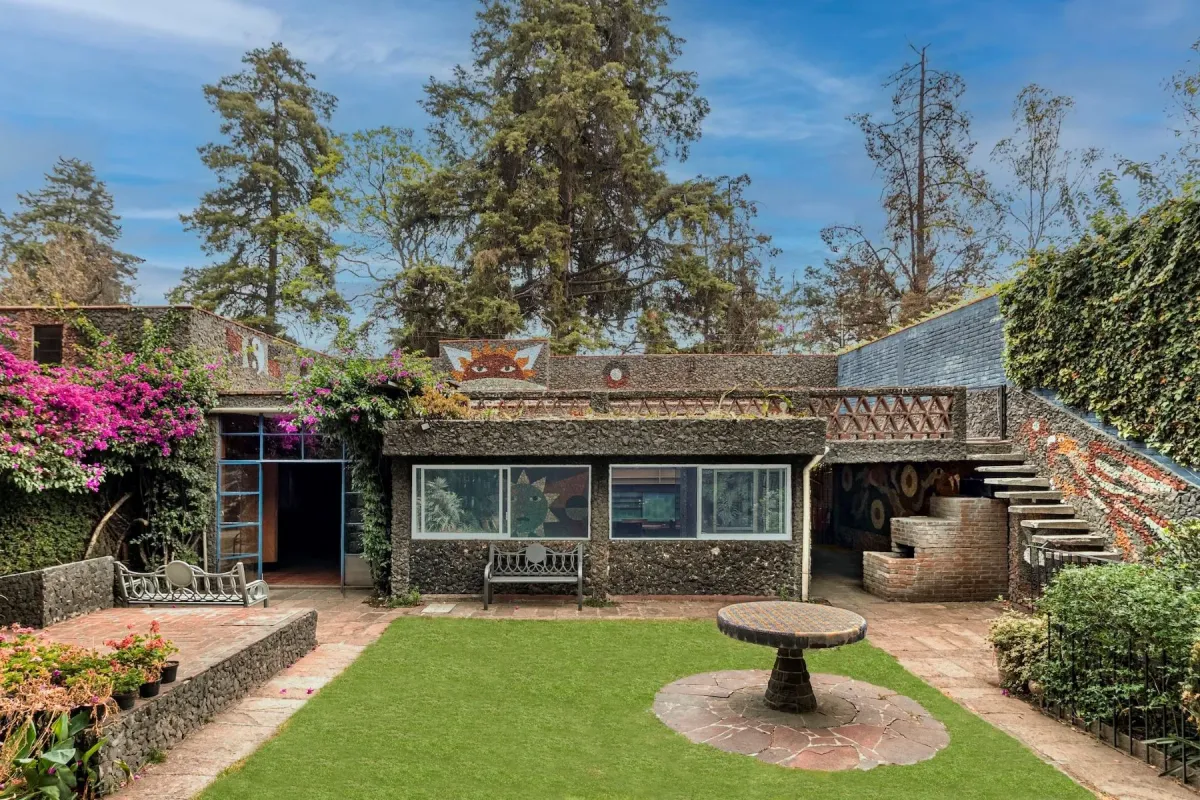
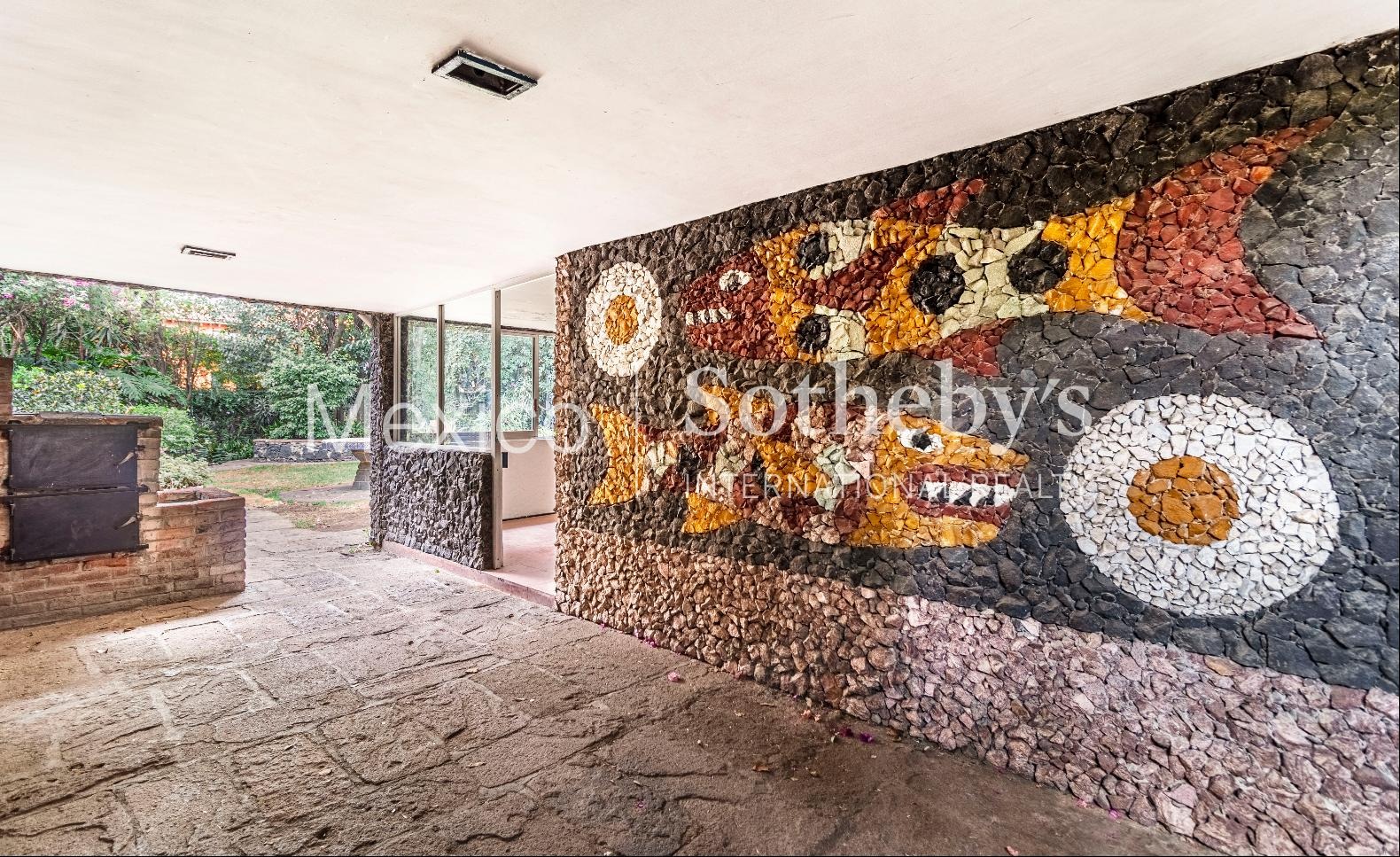
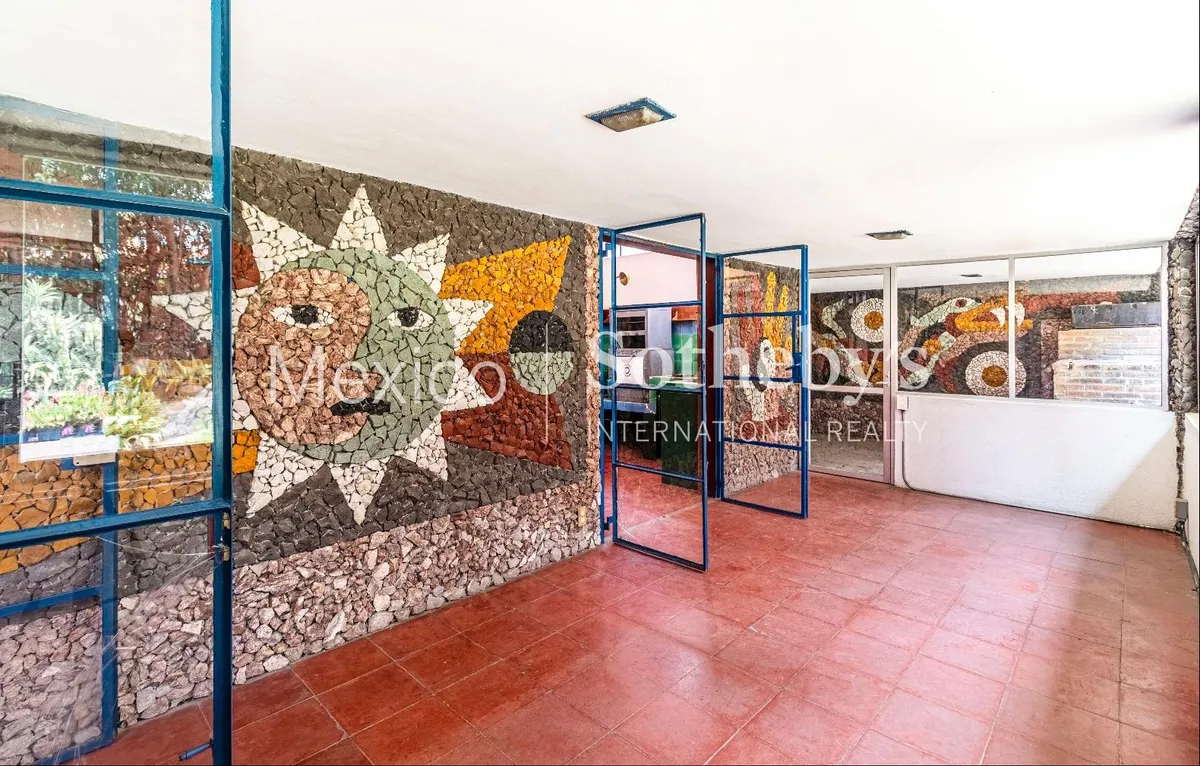
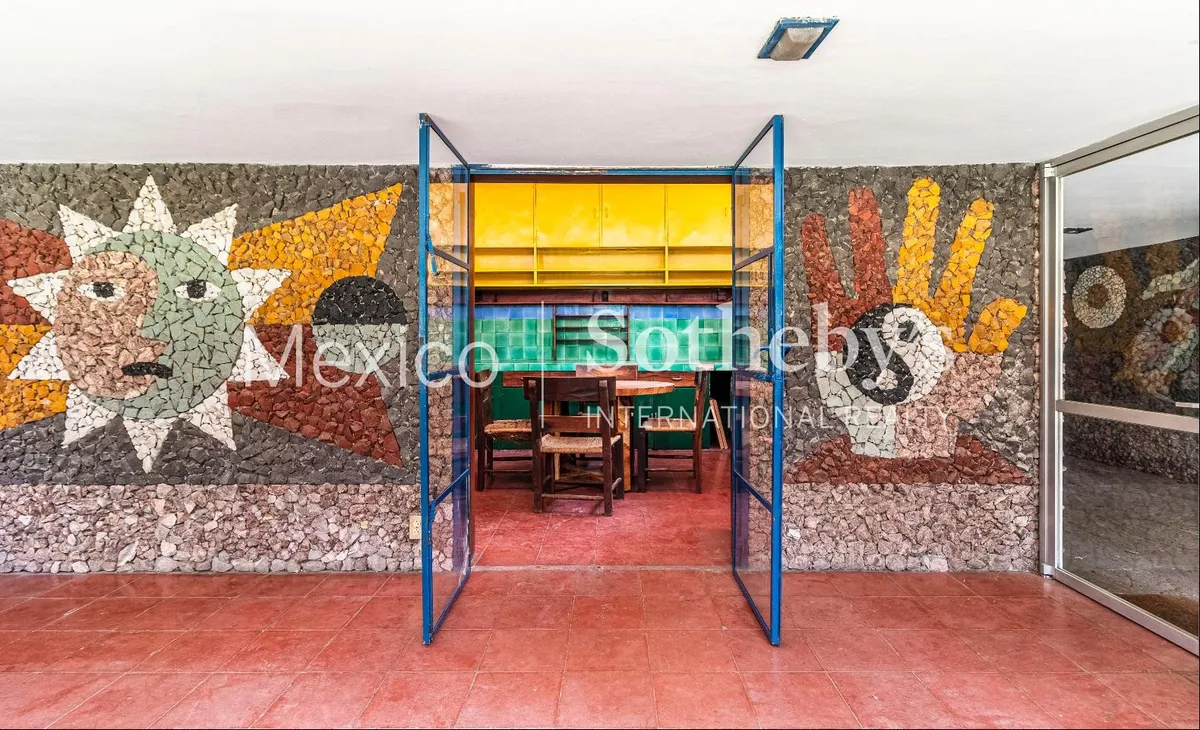
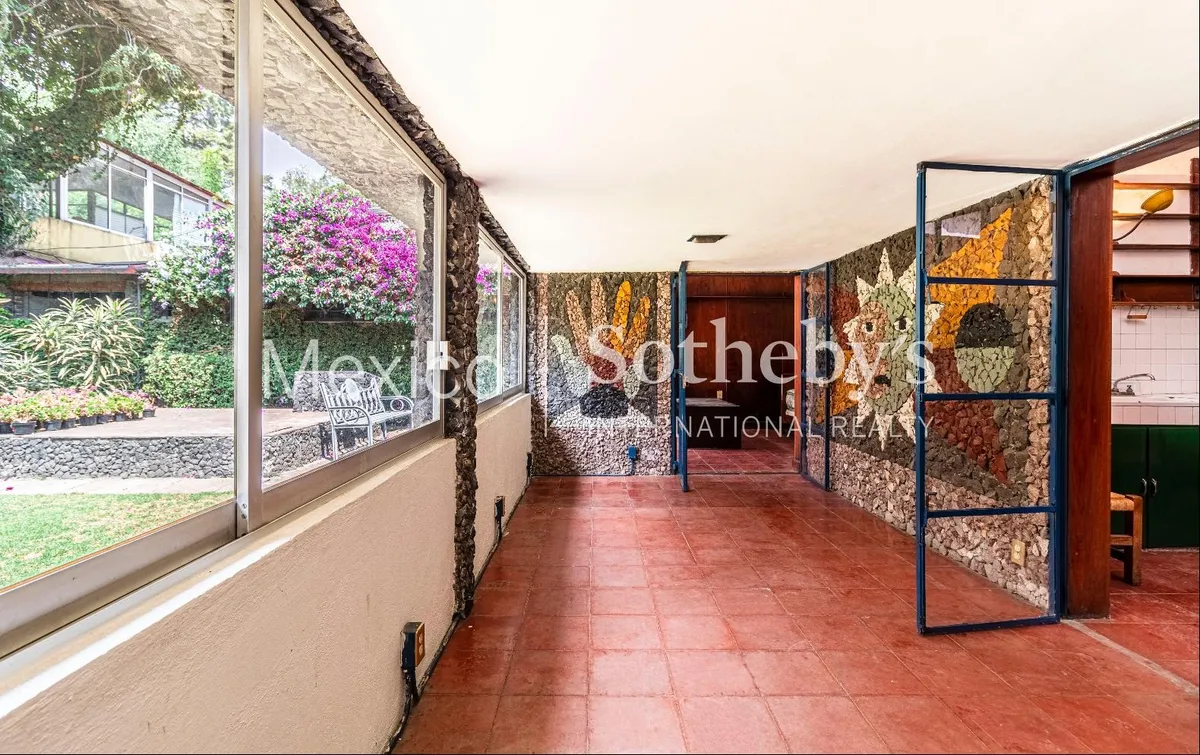
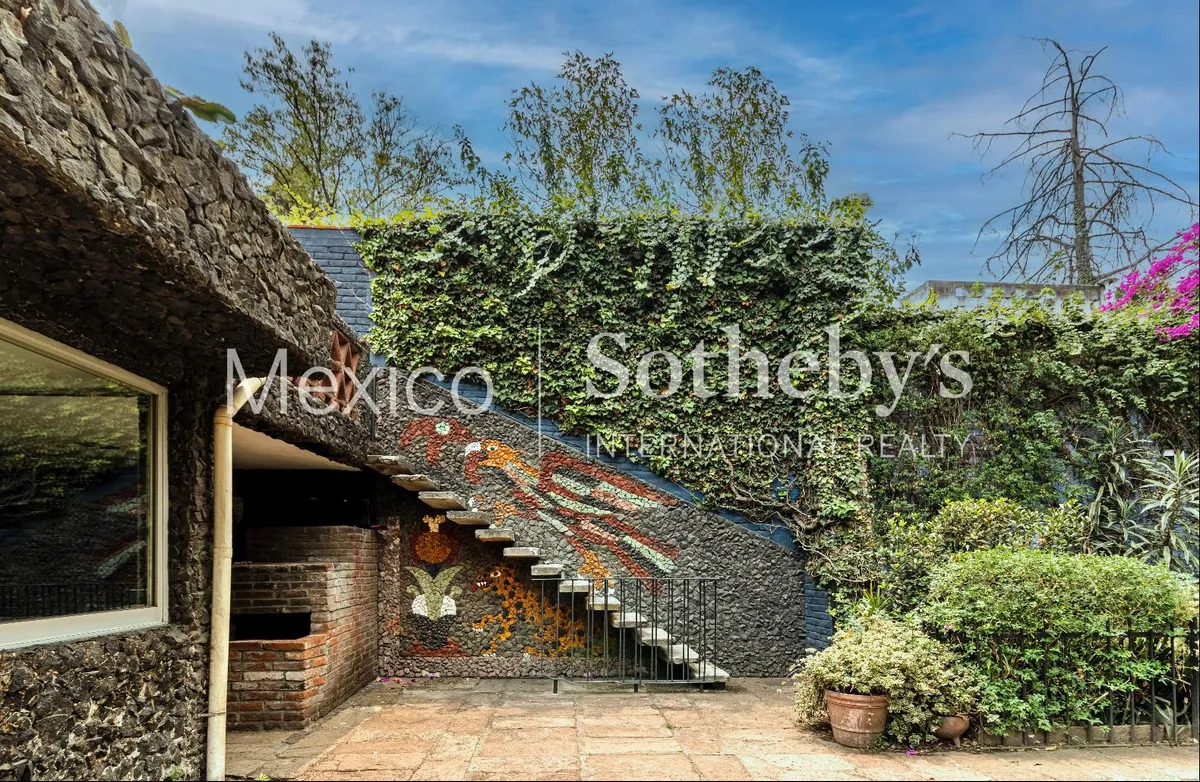
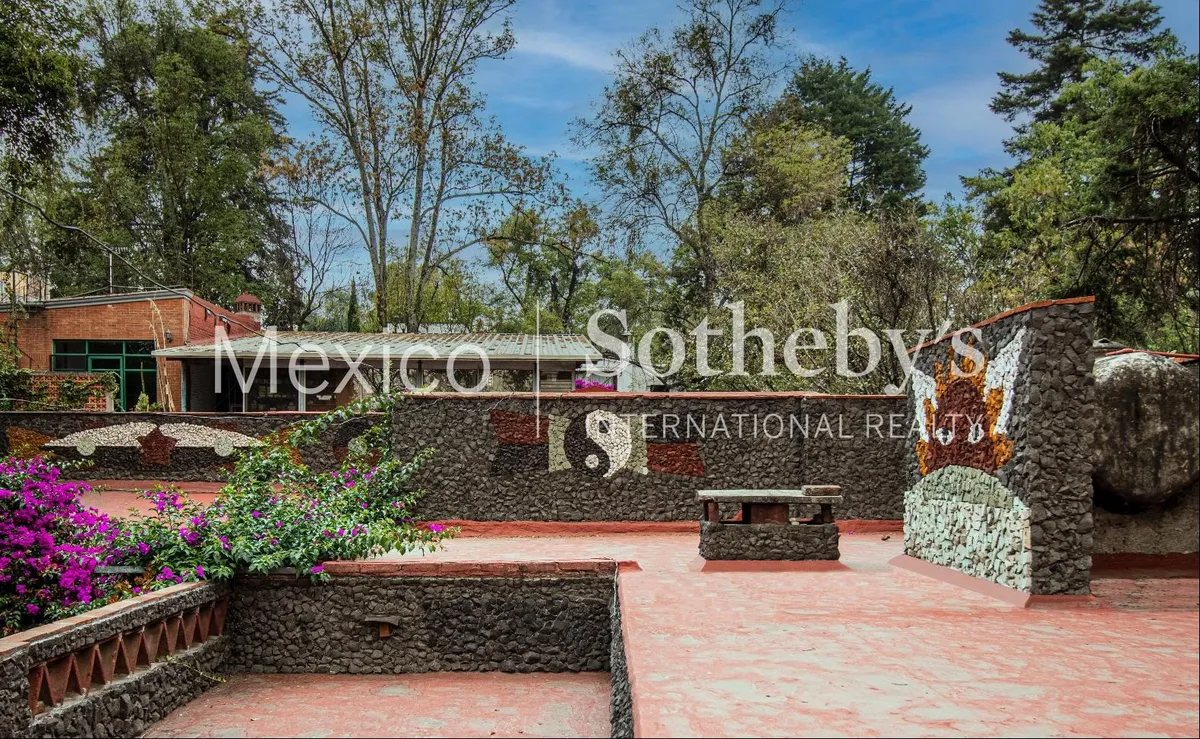
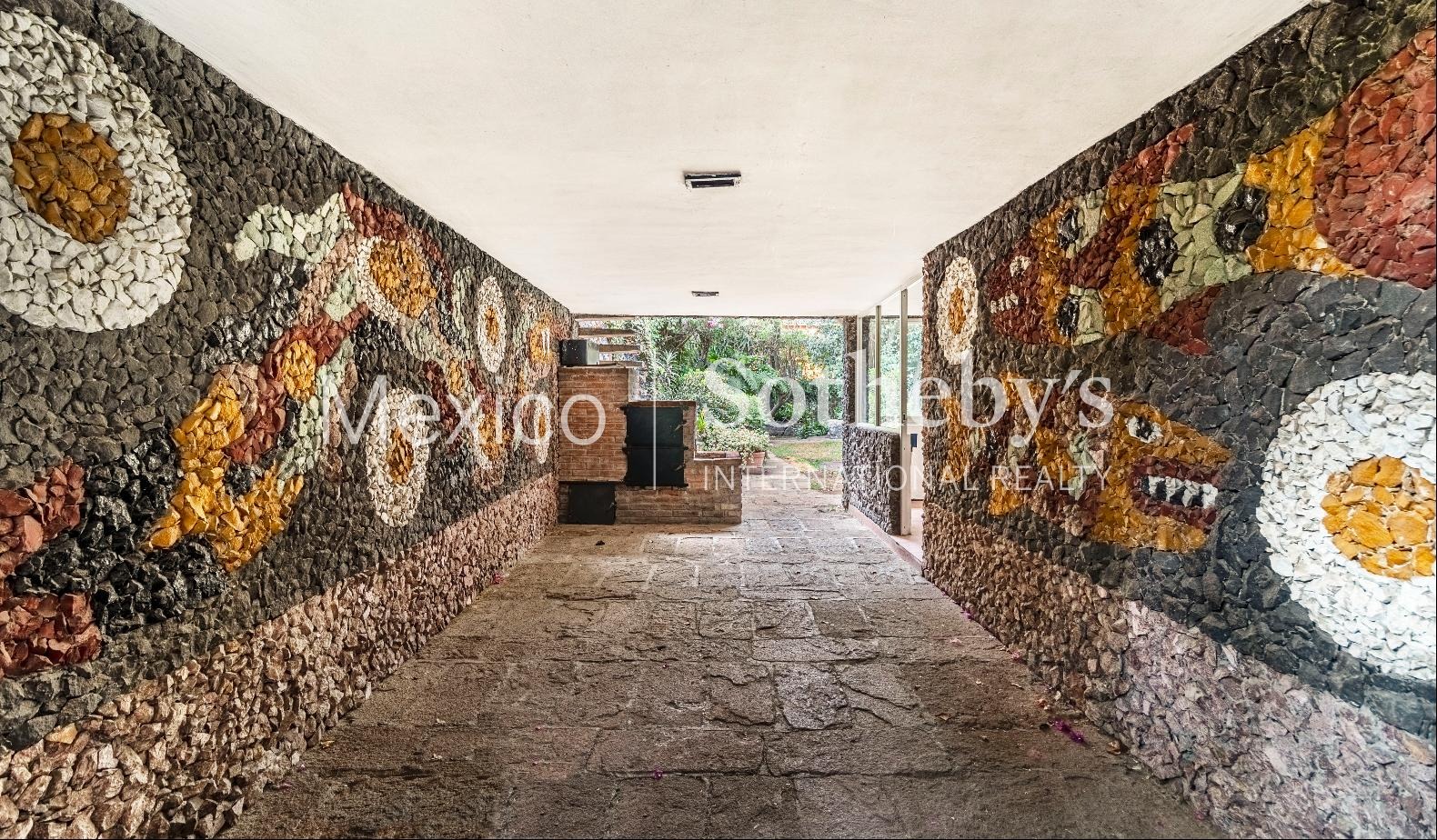
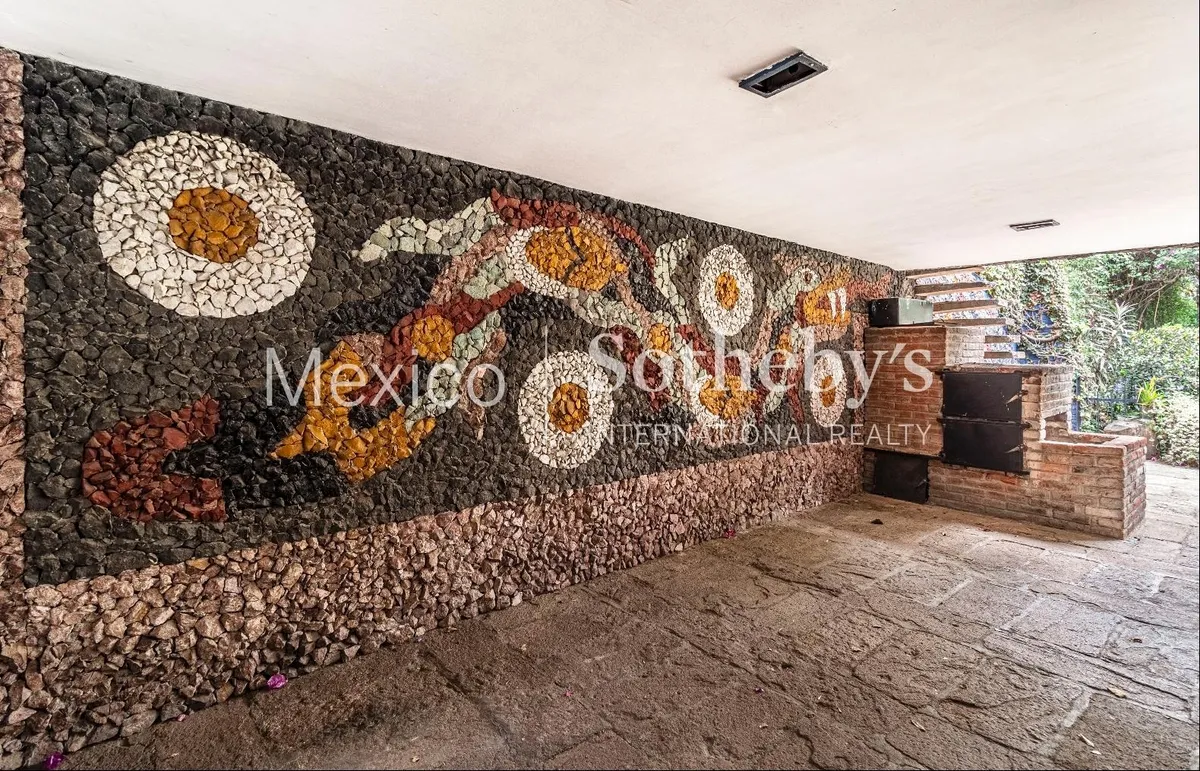
This home features original murals by Juan O'Gorman.
Are you looking to become the guardian of a national heritage — passionate about rescuing fragments of Mexico and joining the pieces together into a new legacy? The Nancarrow-O'Gorman Studios are a singular opportunity that cannot be repeated.
Are you looking to become the guardian of a national heritage — passionate about rescuing fragments of Mexico and joining the pieces together into a new legacy? The Nancarrow-O'Gorman Studios are a singular opportunity that cannot be repeated.
The history of these two houses traces back to the friendship between two titans of art: Conlon Nancarrow, the greatest composer of experimental and mechanized music of the 20th century, and Juan O'Gorman, one of the Fantastic Five of 20th-century Mexican art.
In 1940, following harassment by the United States government, Nancarrow chose exile in Mexico — welcomed by his friend and patron Juan O'Gorman, who in 1948 built him a house on this very land.
The artistic significance of this first house is immeasurable. It holds the largest collection of petromurals — O'Gorman's signature technique — in any private space. These works served as nothing less than the preparatory essay for his magnum opus: the petromurals of the Central Library of Ciudad Universitaria, now a UNESCO World Heritage Site. Recently restored by the National Institute of Fine Arts and Literature (INBAL), they are living monuments on the walls of a home. To steward such a legacy is a feat of rare pride and responsibility.
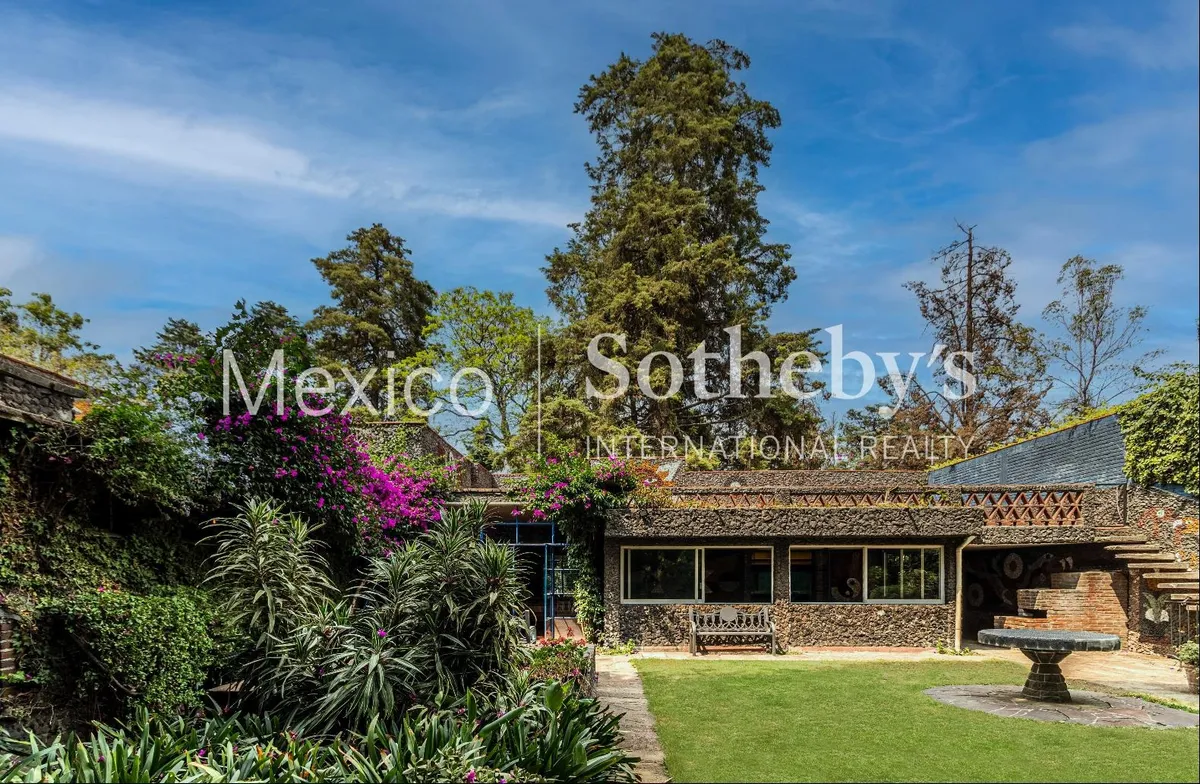
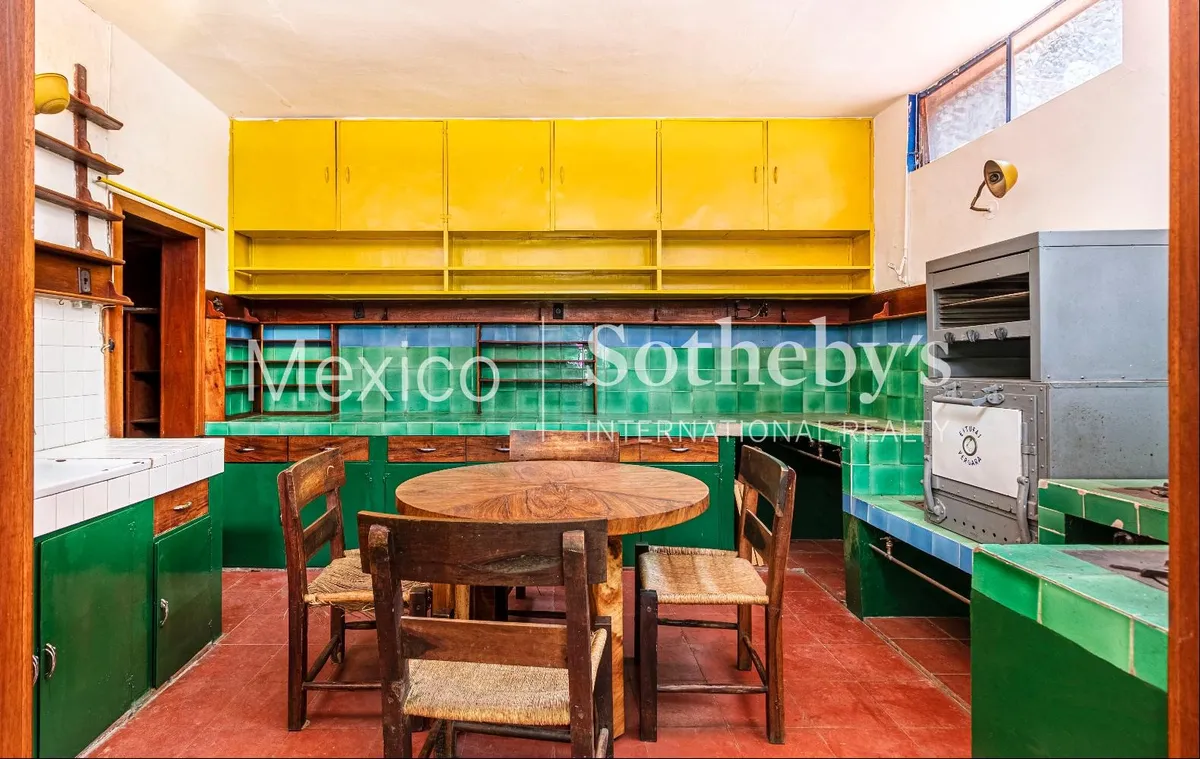
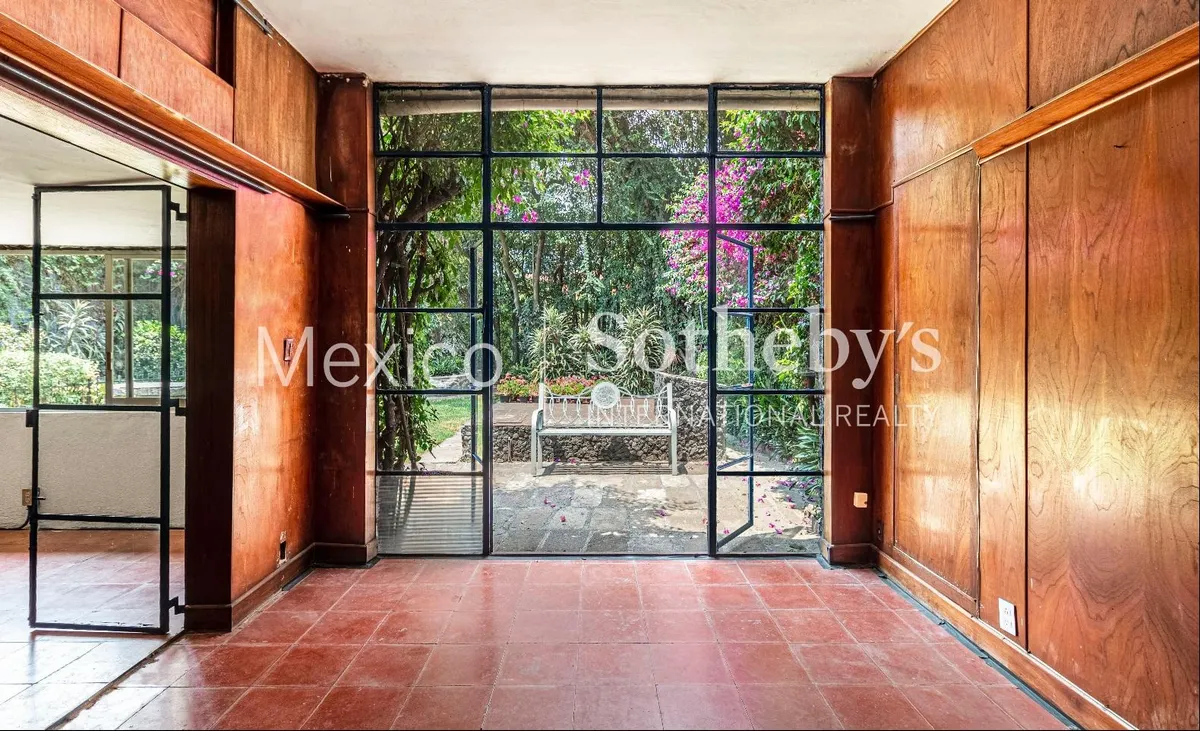
Also within this first structure is a mystical recording studio — acoustically isolated and designed by Nancarrow himself. Impenetrable to outside noise, it was here that he worked much of his magic, composing some of the most eccentric and visionary pieces ever written for mechanical instruments. A vintage modernist kitchen full of character, a bedroom with full bathroom and built-in fireplace, and a foyer and dining room enveloped in O'Gorman petromurals all face a deep, mature garden surrounded by towering trees. The first stage culminates in a hidden, cellar-like passageway and an enigmatic two-story library housing part of Nancarrow's private book collection.
The second house, connected to the first by a long corridor, sits at the far end of the land. It holds the distinction of being the last house Juan O'Gorman ever built as an architect — a profession he had abandoned more than two decades prior out of personal disillusionment. Constructed in the 1970s, it bears all of his hallmarks: volcanic stone, ironwork, and exposed beam-and-vault ceilings.
The ground floor offers a kitchen, living and dining room overlooking the lush garden, a small terrace-greenhouse, a wood-burning fireplace, a utility room with full bathroom, and a guest half-bath. Upstairs, three bedrooms share two full bathrooms, and a spectacular studio with its own balcony and terrace commands 360° views over the treetops and O'Gorman's petromurals — a true feast for all the senses.
The property is accessed through an evocative 50-meter corridor that accommodates up to ten vehicles and lends itself to interventions of its own: murals, installations, transformation.
Immovable and immeasurable, the petromurals dance alongside the dusty canvases of imagination throughout this magical, symbolism-laden place. The spaces await a new vision — and a new steward worthy of what they hold.
$39,000,000 MXN